Getting ready for your first pickleball tournament in Klang Valley
By Sarah · Updated 2026-07-08
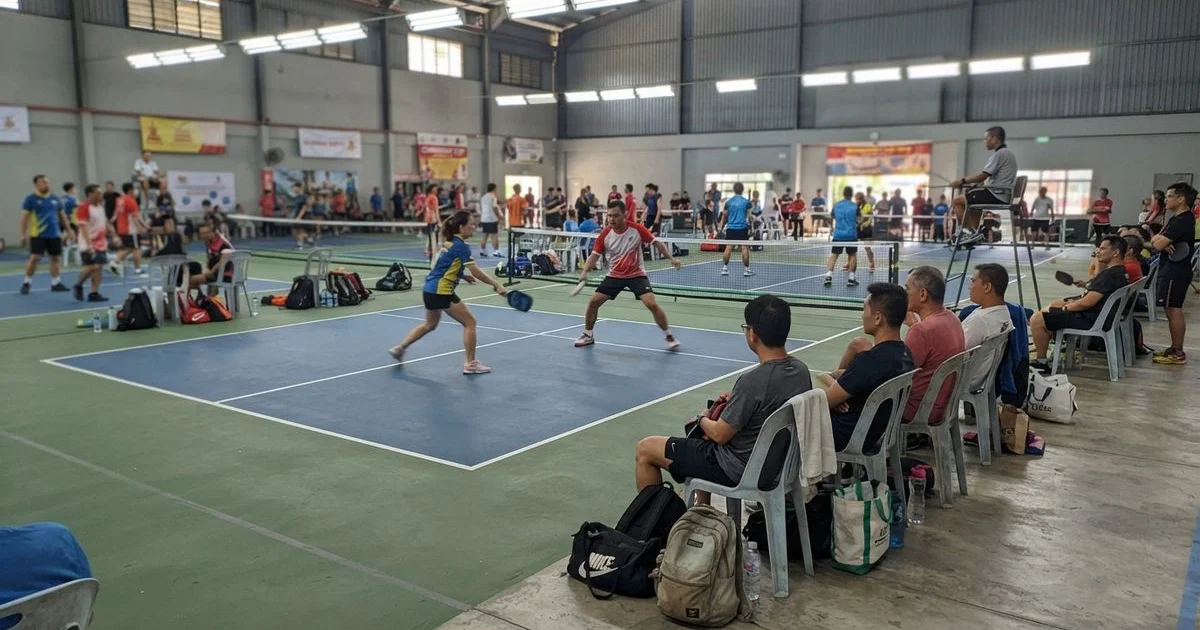
Entering your first pickleball tournament is a natural next step once casual play starts feeling comfortable, but the format and pace of tournament day catch a lot of first-timers off guard. This guide covers what to know before you register and what to expect once you’re there.
Checking where you fit
Tournaments typically bracket players by skill level, either using a formal rating like DUPR or a self-assessed division based on experience. Entering a division well above your actual level usually means a rough, discouraging day, while entering appropriately gives you competitive matches you can actually learn from. If you’re unsure where you sit, ask a coach or a more experienced regular player for an honest read on your level before registering.
Understanding the format
Local tournaments commonly use a round robin format for group stages, where every team in your group plays every other team, with standings decided by win-loss record rather than single elimination. Later rounds often shift to a bracket format once groups are decided. Formats vary by event, so it’s worth checking the specific tournament’s structure before you show up, since it affects how many matches you’ll play and how the day is scheduled.
| Stage | Typical format | What it means for you |
|---|---|---|
| Group stage | Round robin | Every team in your group plays each other |
| Later rounds | Single or double elimination bracket | Losses may end your run faster |
| Overall day | Multiple matches, spread across hours | Plan for a long day, not just one match |
Registering with a partner
Most tournaments require doubles teams to register together rather than individually, so line up a partner before you commit to an entry. If you don’t have a regular partner, some events offer a partner-matching option, and it’s worth asking your usual venue or coach if they know of one, since local pickleball communities tend to be well connected. If you’re pulling together a squad rather than just a partner, our group game night guide covers how to organise court bookings for a bigger crew.
What to bring on the day
- Your paddle, plus a backup if you own one. Equipment issues mid-tournament are a real inconvenience.
- Extra balls, since tournament-approved balls can differ from what you practice with.
- Water and snacks for a long day. Matches can run later than scheduled, and there’s often significant waiting between rounds.
- A change of shirt and sun protection if any matches are outdoors.
Managing nerves on tournament day
Most first-time tournament players are more nervous about the format and unfamiliar surroundings than the actual games once they start. Arriving early to warm up, watching a match or two before yours if the schedule allows, and treating your first tournament as a learning experience rather than a must-win event all help take the pressure off. The players you’ll face in a beginner or intermediate division are usually in a similar boat, working out the format themselves.
After the tournament
Win or lose, a first tournament is a genuinely useful benchmark for where your game actually stands compared to casual practice. Many players use their first tournament result to decide whether to invest in more structured coaching or simply keep playing casually and enter again once they’ve built more match experience.
Preparing your body, not just your game
Tournament day involves far more matches back to back than a typical casual session, which puts more cumulative strain on your body than players expect going in. Spending the week or two before a tournament building up your usual play frequency, rather than jumping straight from occasional casual games into a full tournament day, reduces the risk of fatigue-related mistakes or minor strains showing up partway through the event. Getting a proper night’s sleep beforehand and eating a real meal before matches start also matter more than most first-timers assume.
What separates a good first tournament experience from a rough one
The players who tend to enjoy their first tournament most are the ones who go in with realistic expectations rather than assuming casual-play skill translates directly to competitive pressure. Nerves affect execution more than most people expect, even on shots you can normally hit without thinking. Treating early matches as a chance to settle into the pace and pressure, rather than expecting your best casual-play performance from the first point, sets a more realistic and ultimately more enjoyable tone for the day.
Browse leagues and tournaments across Klang Valley to find upcoming events near you. The directory home covers every court type if you’re still deciding where to train beforehand, and our ranking methodology explains how we score organisers and venues that host competitive play.
FAQ
- What skill rating do I need to enter a pickleball tournament?
- Most tournaments bracket players by skill level, commonly using a rating scale or self-assessed division, so beginners typically enter the lowest division rather than competing against advanced players.
- How is a pickleball tournament usually structured?
- Many local tournaments use a round robin format for early matches, where every team in a group plays each other, followed by elimination brackets for the later stages depending on the event.
- What should I bring to a pickleball tournament?
- Your paddle plus a backup if you have one, extra balls, water, snacks, a change of shirt, and any medical items you might need. Matches can run longer than expected, so plan for a full day.
- Do I need a doubles partner to enter, or can I sign up alone?
- Most tournaments require doubles teams to register together, though some events offer a partner-finding option or singles divisions. Check the specific tournament's entry requirements before assuming either way.