Pickleball for beginners in Klang Valley: a getting started guide
By Sarah · Updated 2026-06-15
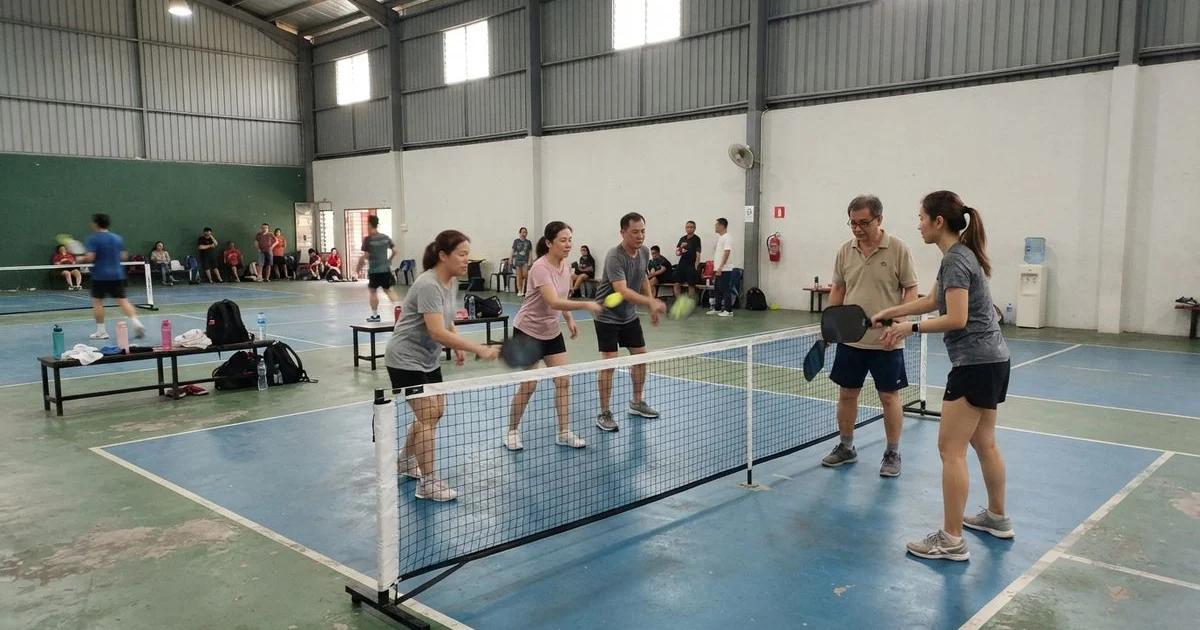
Pickleball’s reputation as an easy sport to pick up is mostly true, but knowing where to start makes the first few weeks smoother. This guide walks through the practical steps: what gear you actually need at the outset, how to find a venue that welcomes beginners, and how to get from your first rally to a comfortable regular game.
Step 1: decide if you need your own gear yet
You don’t. Most venues in Klang Valley rent paddles and balls for a small per-session fee, which is the cheapest way to find out whether you enjoy the sport before spending on equipment. Once you’re playing regularly, a beginner-friendly paddle is a modest investment and worth making, since rental paddles are usually a generic mid-range option that won’t suit every playing style.
Step 2: find a venue that suits a first-timer
Not every court or session is equally welcoming to someone who has never played. A few things to look for:
- Dedicated beginner or social drop-in sessions, where staff actively rotate new players into games rather than leaving you to find a match yourself.
- Coaching availability, even if you don’t book a lesson right away, since a venue that offers coaching usually has staff comfortable explaining rules on the spot.
- Indoor courts, which remove wind as a variable while you’re still learning to control the ball.
Step 3: learn the handful of rules that matter early on
You don’t need to memorize the full rulebook before your first game. Three things cover most of what trips up beginners:
- The double bounce rule. The ball must bounce once on each side before either team can volley it in the air.
- The kitchen (non-volley zone). A 7-foot zone on each side of the net where you can’t hit the ball out of the air; it has to bounce first.
- Scoring. Games are usually played to 11 points, win by two, and only the serving side can score.
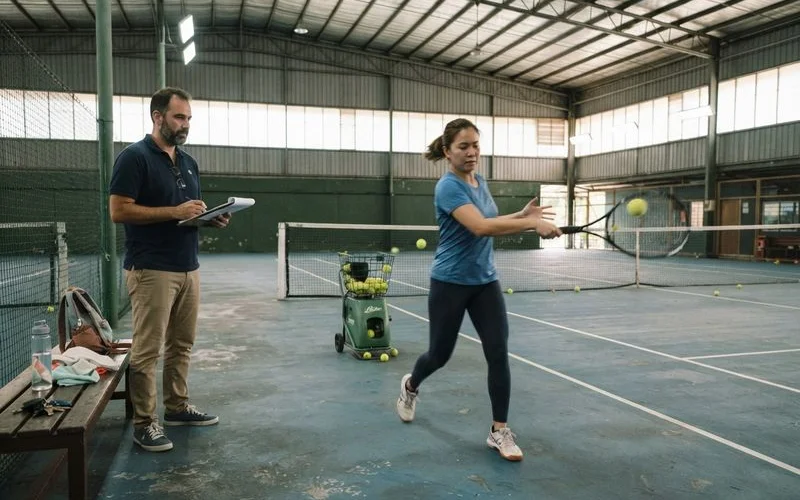
What a typical beginner’s first month looks like
| Week | Focus | What to expect |
|---|---|---|
| 1 | Rules and basic rallying | Learning double bounce, kitchen line, scoring |
| 2-3 | Consistency | Getting the ball over the net reliably, footwork |
| 4+ | Soft game | Starting to work on dinks and controlled shots near the net |
Common mistakes new players make
Most beginners try to hit the ball too hard too soon, since instinct from other racquet sports pushes toward power. Pickleball rewards control and placement far more than pace, especially near the kitchen line. The other common early mistake is standing too far back from the net during doubles play, which gives opponents easy angles. Staying close to the kitchen line when your team is on offense is one of the fastest ways to improve.
Making it a regular habit
Once the basics feel natural, the easiest way to keep improving is to play consistently rather than sporadically. Joining a regular weekly session, even a casual one, builds skill faster than occasional one-off bookings. From there, some players move into structured coaching or start looking at leagues once they’ve got a season or two of casual play behind them.
Building a support network of other players
Progress tends to speed up once you have a regular group of players around your level, since repeated games against familiar opponents let you notice patterns you’d miss playing a different stranger every session. Social drop-in sessions are the easiest way to build this network organically, since you’ll naturally see the same faces if you keep showing up to the same time slot each week. Many beginners find that within a month or two of consistent attendance, they’ve built a small circle of regular playing partners without ever deliberately trying to.
When to think about your own equipment
Beyond a paddle, most beginners eventually invest in proper court shoes once they’re playing regularly, since the quick side-to-side movement in pickleball puts more lateral strain on footwear than casual walking or running shoes are built for. This isn’t an urgent first-week purchase, but it’s worth planning for once you know you’ll keep playing, both for comfort and to reduce injury risk from a slip on a quick direction change.
Ready to find a court near you? The directory home lets you browse venues across Klang Valley by area, and our ranking methodology explains what we look at, including coaching quality and beginner-friendliness, when scoring each listing.
FAQ
- Do I need lessons before I can play pickleball?
- No. Many beginners learn by joining a drop-in or social session where more experienced players and staff explain the basics as you go. Lessons speed up progress but aren't required to start.
- What is the easiest way to meet other beginner players?
- Look for venues that run dedicated beginner or social sessions rather than open competitive slots. Staff at these sessions are used to rotating new players in and matching skill levels fairly.
- How long does it take to feel comfortable playing pickleball?
- Most beginners feel reasonably comfortable with the core rules and basic shots within three to five sessions. Consistent soft shots near the net usually take longer to develop.
- Is pickleball hard to learn compared to tennis or badminton?
- It's generally considered easier to pick up than tennis, since the court is smaller and the paddle is easier to control. Players coming from badminton often adapt quickly to the footwork.